
Spinal Disorder
- Home
- Spinal Disorder
Spinal Disorder
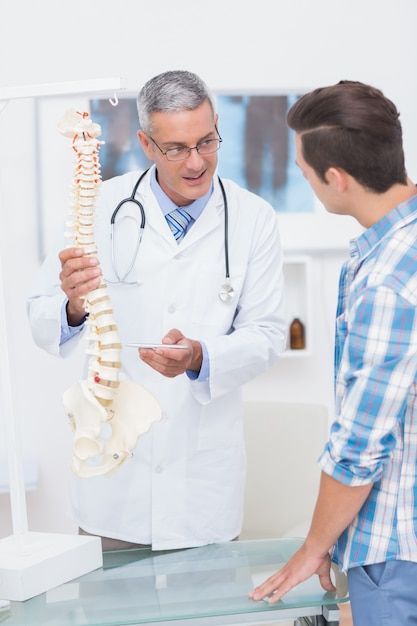
What is a Spinal Cord Disorder?
A spinal cord disorder affects the spinal cord’s ability to send and receive signals between the brain and the rest of the body. Because the spinal cord is a vital part of the central nervous system, it controls essential functions like movement, sensation, and reflexes. When it becomes damaged or affected by disease, various symptoms can appear—from mild discomfort to severe mobility issues.
With AcuHealth Back & Spine Treatment, individuals can manage these conditions more effectively through natural, targeted therapy designed to support spinal health. Since spinal disorders can significantly impact daily life, early awareness, proper diagnosis, and timely treatment are extremely important for long-term wellness.
- Weakness in movement
- Numbness or tingling
- Severe back or nerve pain
- Difficulty walking or balancing
- Loss of sensation
- Changes in reflexes
- Reduced daily activity ability
Causes of Spinal Cord Disorder
Spinal cord disorders can develop due to problems either outside or inside the spinal cord.
External damage often occurs when the spinal cord is compressed or injured. This compression may result from bone fractures, spinal degeneration, or structural abnormalities such as a hematoma, tumor, or herniated disc. These conditions put pressure on the spinal cord, disrupting its ability to function properly.
Internal damage, on the other hand, arises from diseases or conditions that directly affect the spinal cord tissue. Common causes include:
Formation of fluid-filled cavities
Reduced blood supply to the spinal cord
Vitamin deficiencies
Autoimmune disorders
Multiple sclerosis
Syphilis
Spinal Cord Disorder – Key Points
-
Damage to the spinal cord interrupts communication between the brain and body, affecting movement and sensation.
-
Patients may experience weakness, difficulty walking, or even paralysis depending on the severity.
-
Tingling, numbness, or loss of feeling in different body parts is common.
-
Chronic back pain, nerve pain, or shooting pain can occur due to nerve involvement.
-
Reflexes may become too strong, too weak, or completely absent.
-
Difficulty performing routine tasks, reduced independence, and emotional stress can follow.
-
Early diagnosis and proper treatment can improve recovery and prevent long-term complications.
-
It disrupts the communication between the brain and the rest of the body.
-
Damage may occur due to accidents, compression, or medical conditions.
-
It can lead to weakness, difficulty walking, or loss of coordination.
-
Many people experience numbness, tingling, or reduced feeling in affected areas.
-
Reflexes may become unusually slow, fast, or completely absent.
-
Persistent back or nerve pain is a common symptom.
-
It can limit mobility and affect normal routines.
-
Early care helps prevent worsening and improves recovery chances.
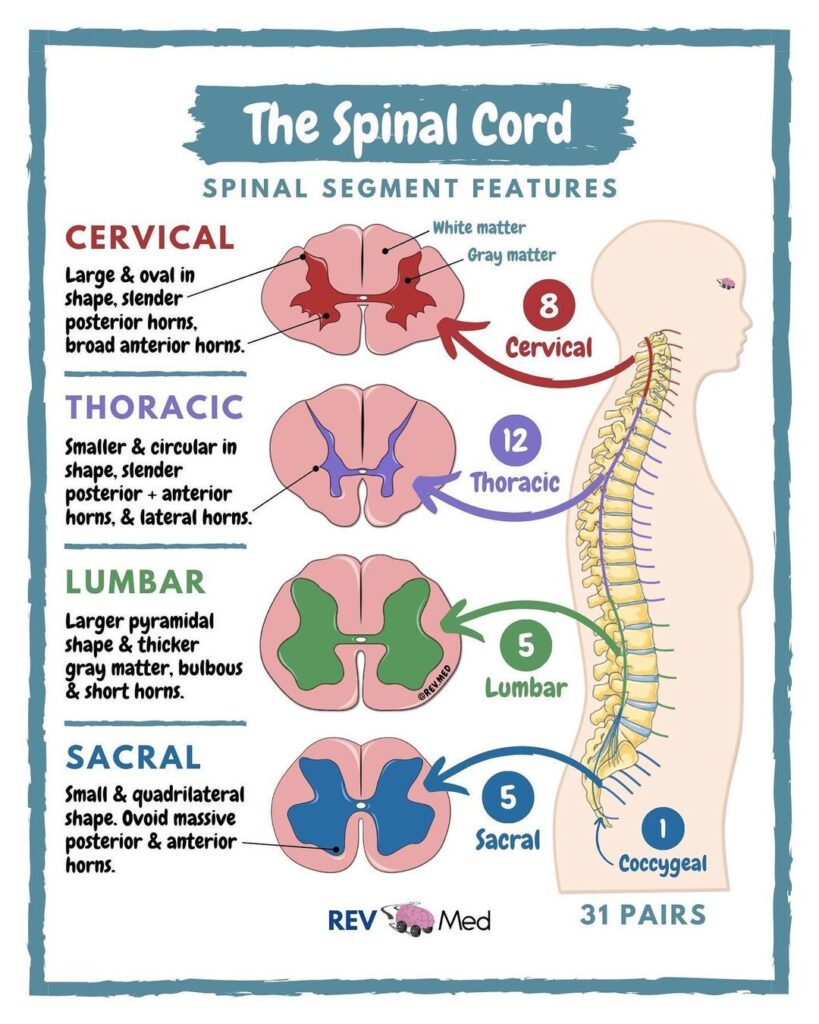
Spine Disorder Symptoms
Symptoms for spine disorders vary depending on the specific disorder. As the spine acts as the main support for the body, spine disorders can often affect other parts of the body. Common symptoms of spine disorders include: 1. Sharp, dull or burning back or neck pain 2. Stiffness or tightness 3. Abnormal rounding in the shoulders or back 4. Numbness, weakness or tingling in the arms or legs 5. Nausea or vomiting 6. Bladder or bowel dysfunction
Diseases Related to Spine Disorders
Arthritis
Arthritis is the swelling or inflammation of one or more joints. It includes many conditions that affect joint tissues, commonly causing pain, stiffness, and reduced movement.
Spinal stenosis-
Spinal stenosis is the narrowing of the spine that puts pressure on the spinal cord and nerves. It usually affects the lower back and neck, and some people may have few or no symptoms.
Herniated discs-
A herniated disc happens when the soft inner part of a spinal disc pushes out through a tear, pressing on nerves and causing pain, numbness, or weakness.
Spondylosis-
Cervical spondylosis is age-related wear and tear of the neck discs. As the discs shrink, bone spurs may form, causing stiffness and discomfort. It’s a common condition that increases with age.