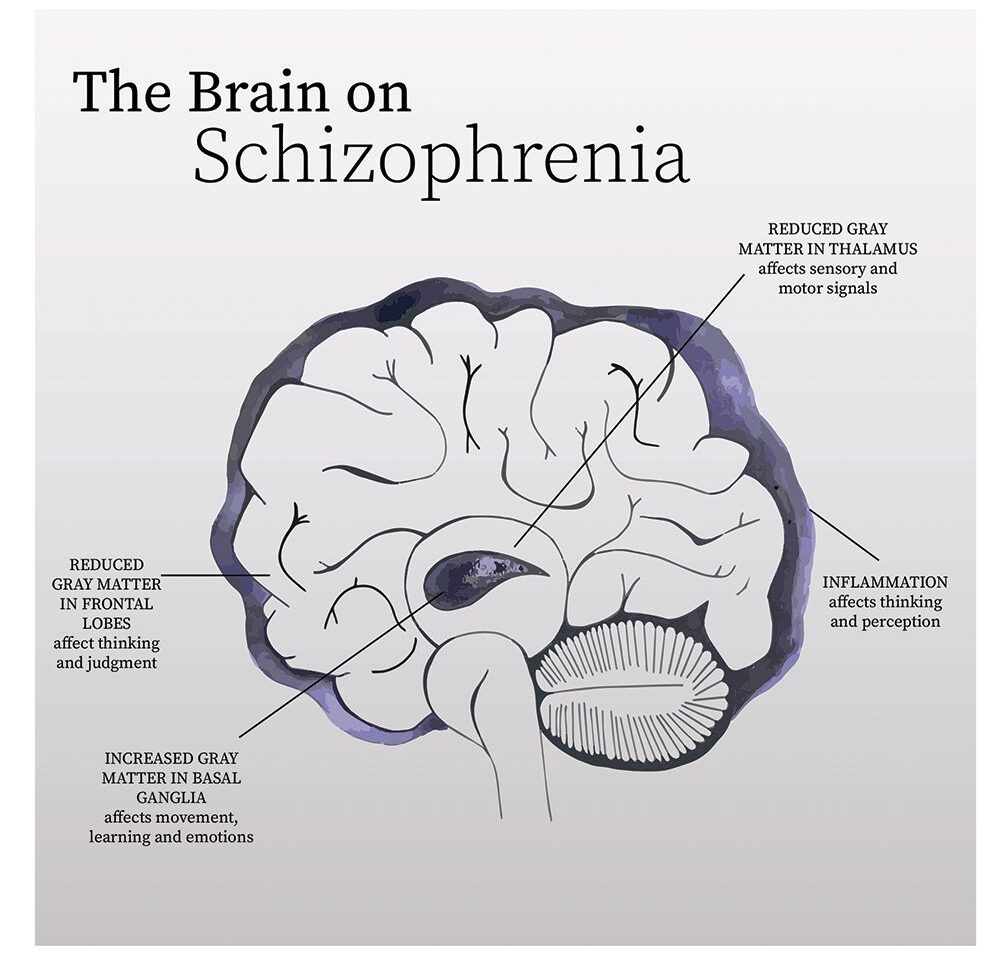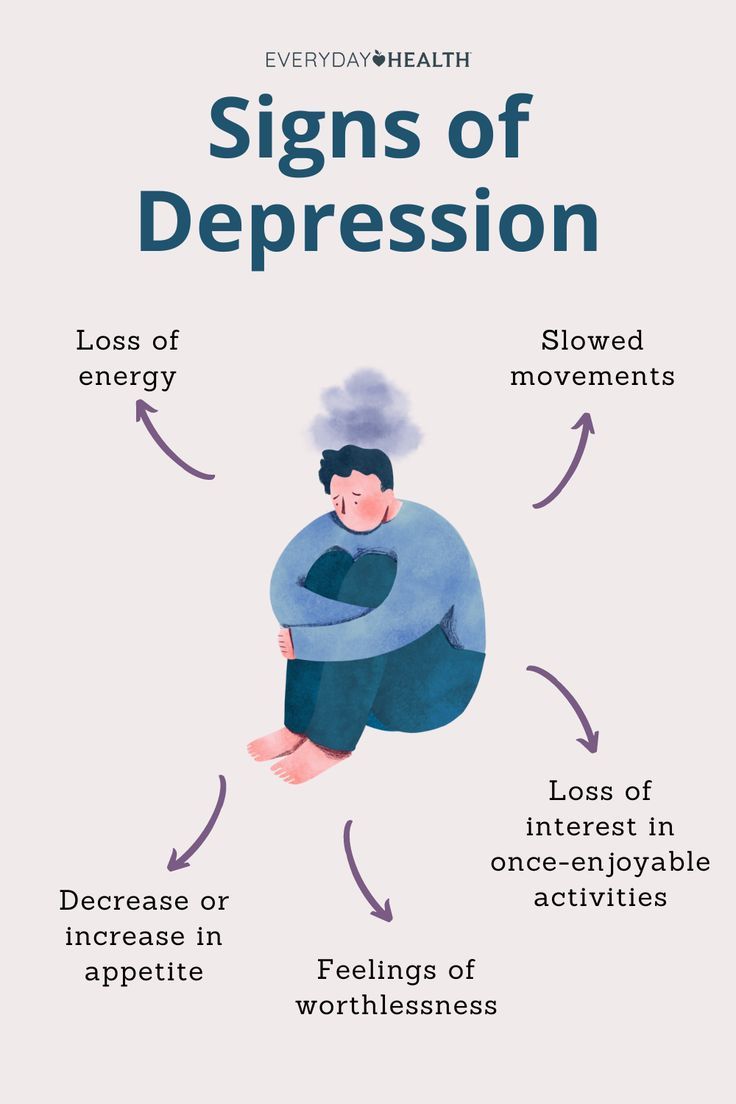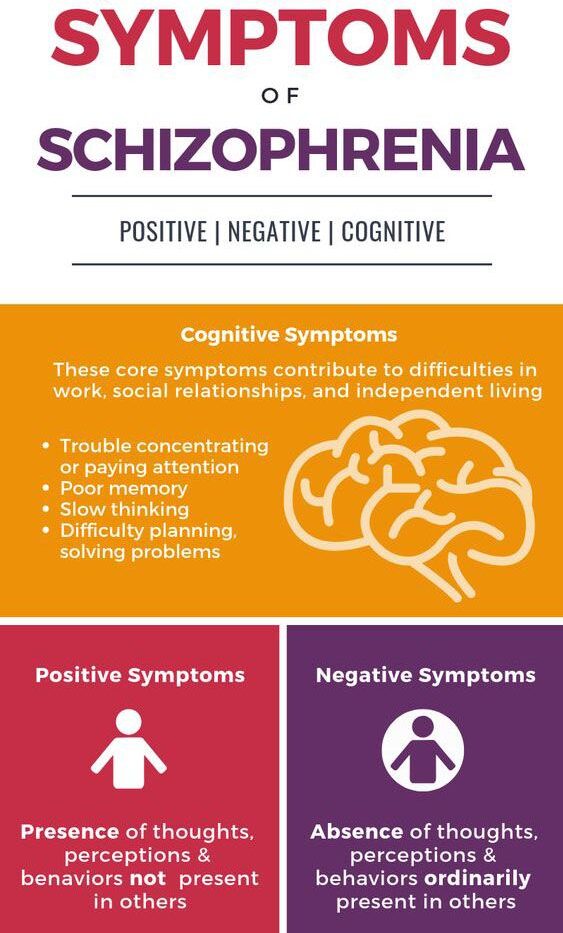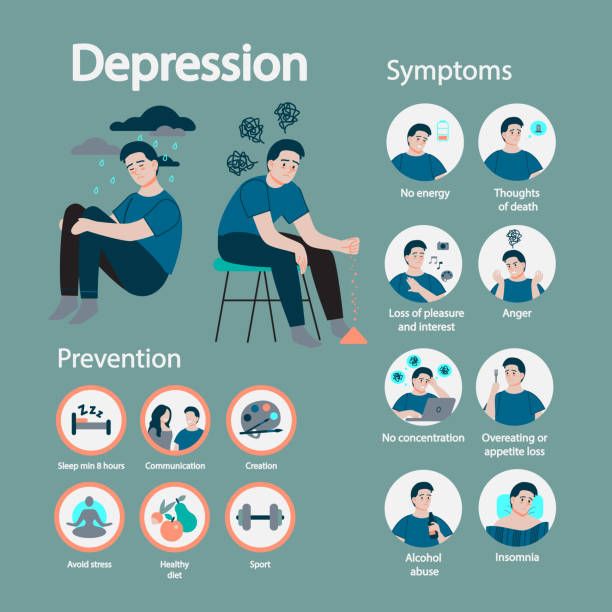
Mental and neurological disorders are separate categories of conditions, yet they are deeply interconnected and often influence one another. Mental disorders—such as depression, anxiety, bipolar disorder, and schizophrenia—primarily affect thoughts, emotions, and behavior, making them some of the most common health challenges people face throughout their lives.
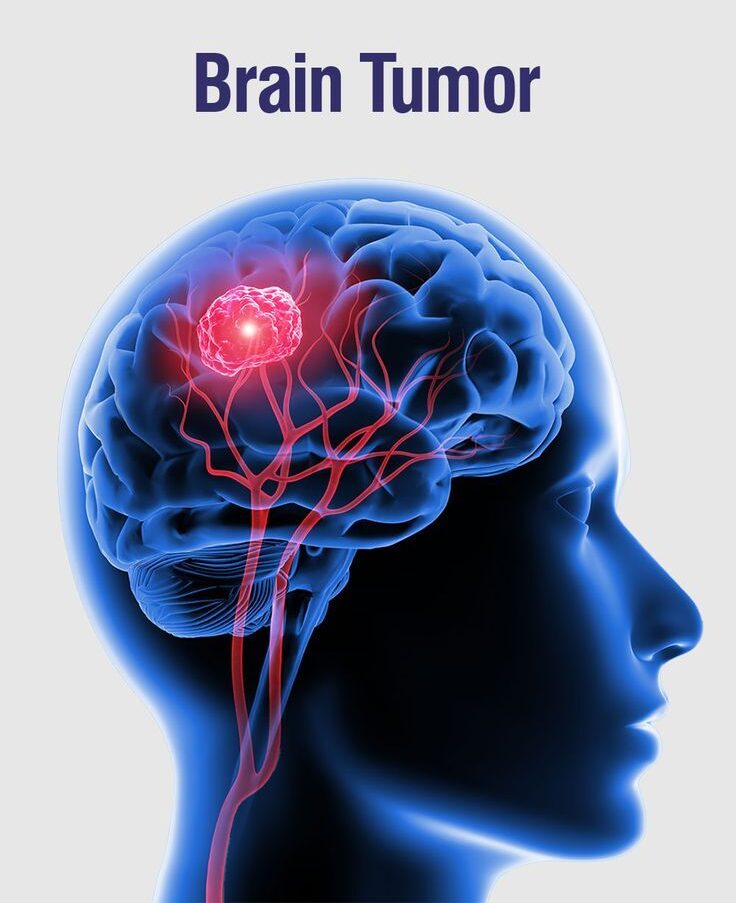
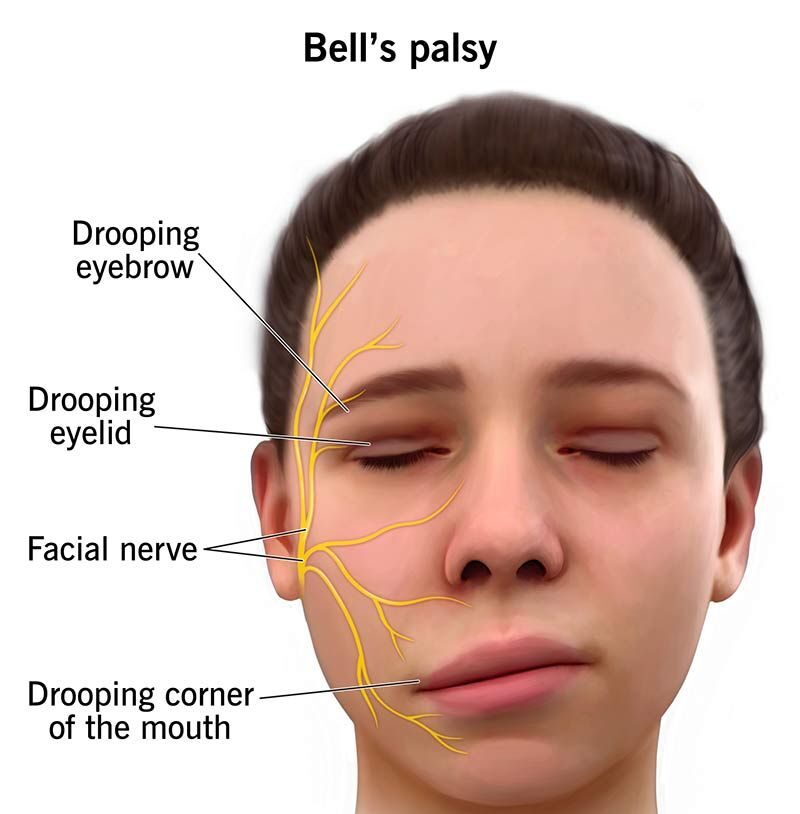
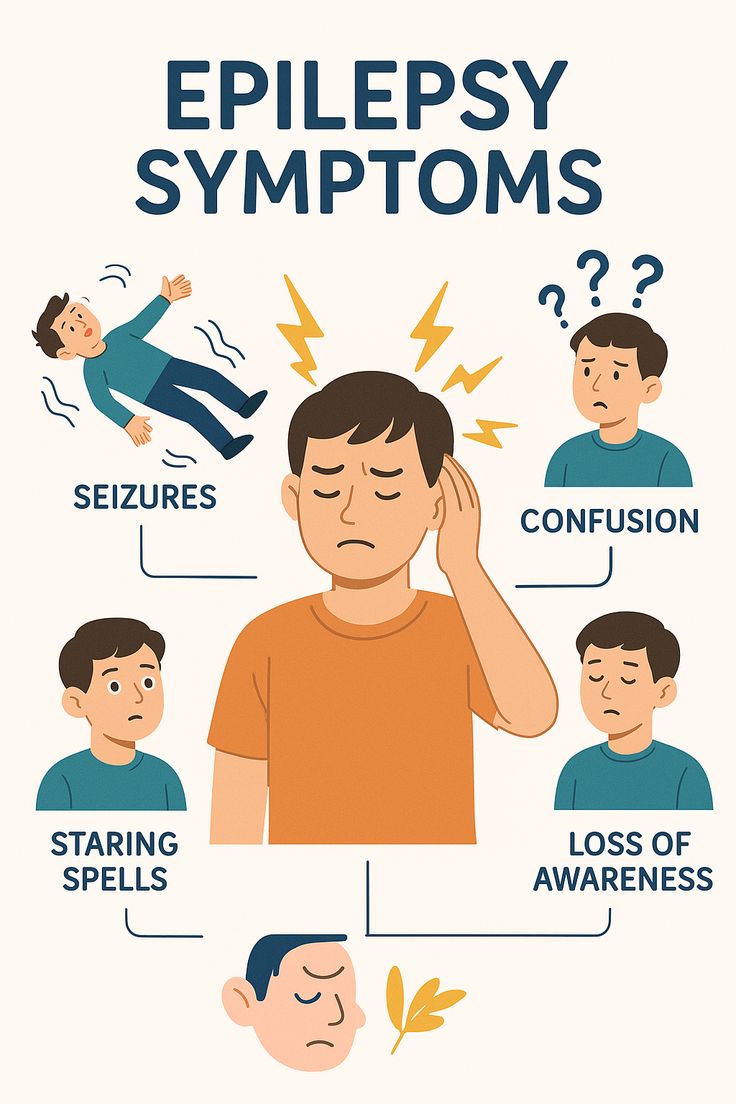
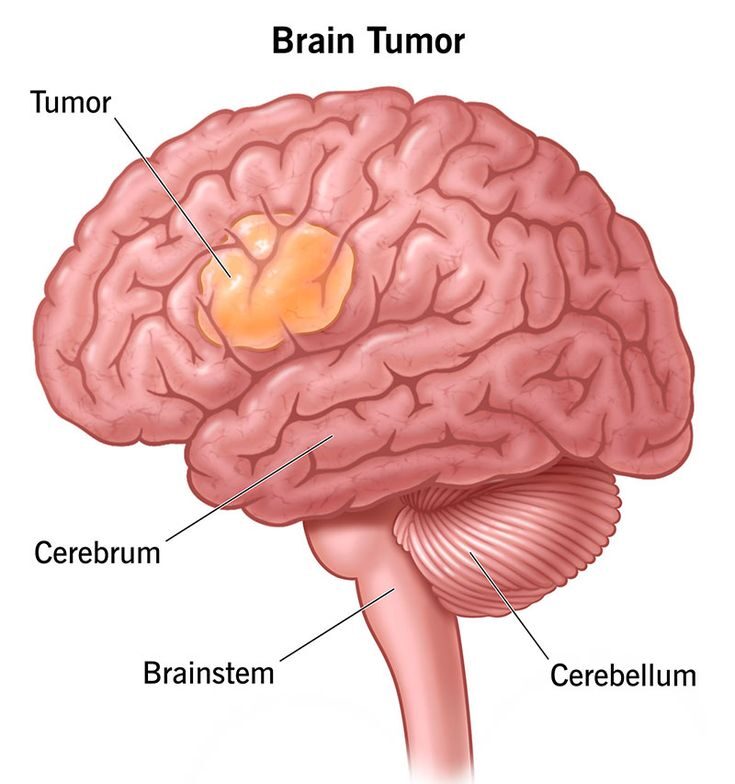
Neurological disorders, including conditions like epilepsy, migraines, Parkinson’s disease, and multiple sclerosis, arise from abnormalities in the brain, spinal cord, or nervous system. These conditions can cause both physical symptoms, such as weakness or coordination issues, and cognitive or emotional changes.
Because the brain and nervous system play central roles in mental health, neurological and mental disorders frequently overlap. Understanding this connection helps in achieving accurate diagnosis, choosing appropriate treatments, and improving overall quality of life through early intervention and supportive care.