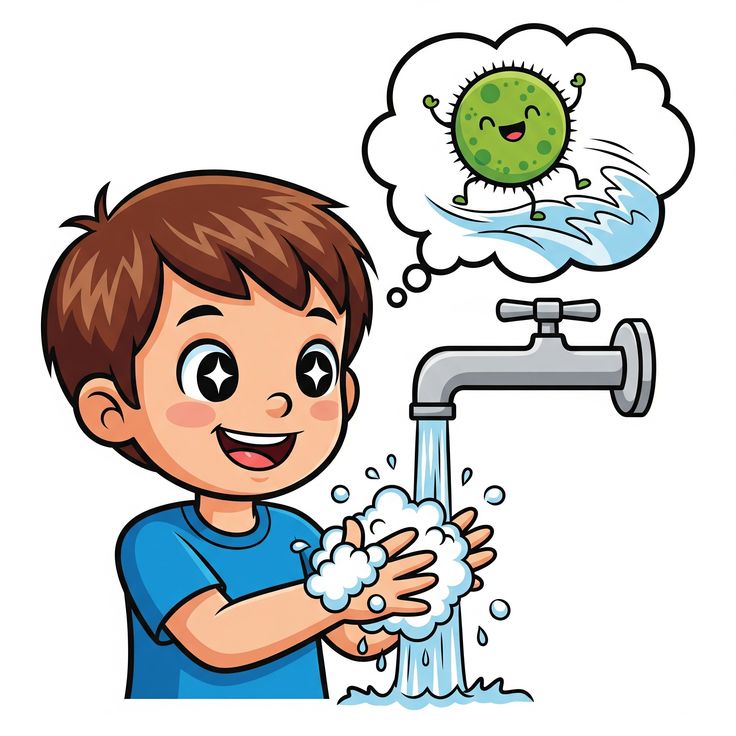
Clean your hands with soap or sanitizer to remove germs and reduce infection risk.
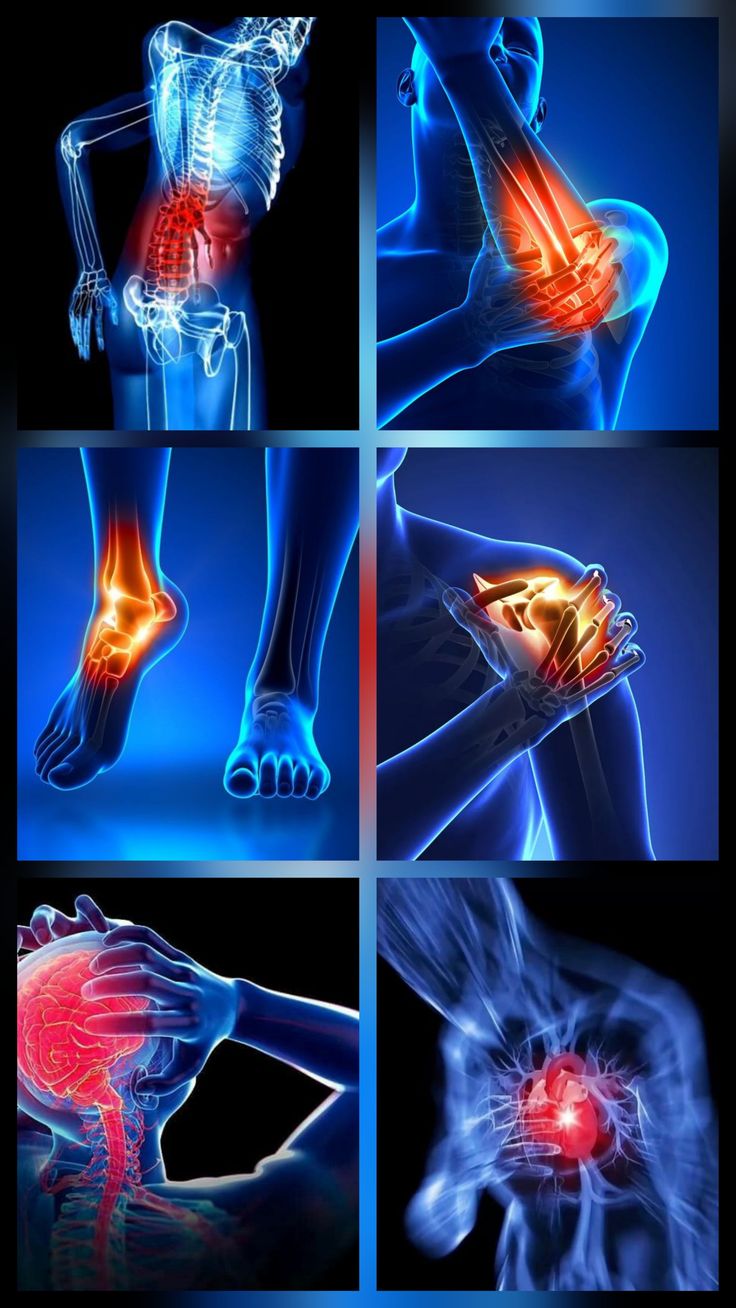
Degenerative disc disease is a common cause of back pain, especially as you age. Over time, the spinal discs that cushion the vertebrae begin to dry out and lose flexibility. This reduces their ability to absorb shock and support smooth movement.
Discs can also become damaged due to normal wear and tear or injuries, leading to pain, stiffness, and discomfort. Although it’s a natural part of aging, the symptoms can vary from mild to severe depending on the level of disc degeneration.
Spinal discs lose moisture and flexibility as you get older.
Dry or worn discs struggle to cushion the vertebrae properly.
Daily activities, posture, and aging can weaken the discs.
Accidents or sudden strain can speed up disc degeneration.
Pain, stiffness, or discomfort often develops in affected areas.
Symptoms can range from mild discomfort to more intense pain.
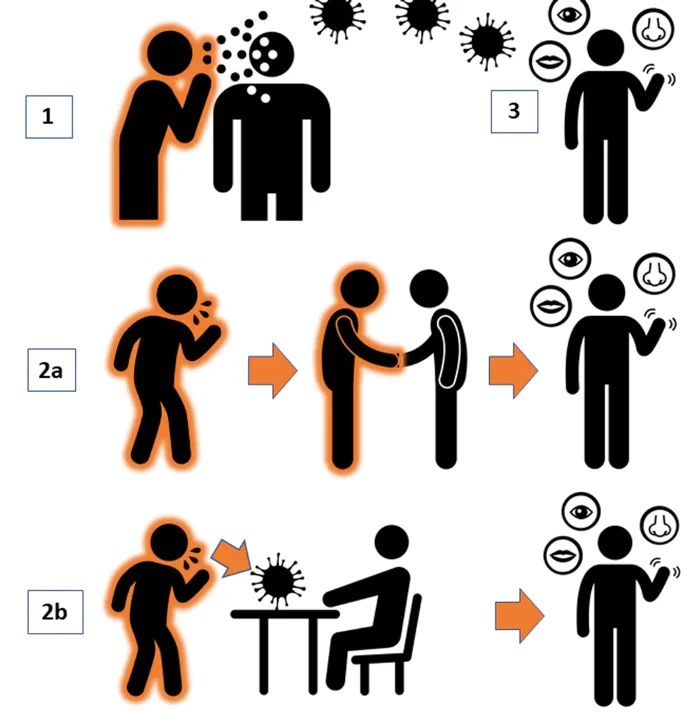
Infectious diseases are illnesses caused by harmful microorganisms such as bacteria, viruses, fungi, and parasites that enter the body and trigger infection. These organisms can spread in many ways—through direct contact with an infected person, touching contaminated surfaces, consuming unsafe food or water, or through insect and animal bites.
Common infectious diseases include flu, measles, tuberculosis, hepatitis, HIV/AIDS, and COVID-19. While some of these conditions can be treated with antibiotics, antifungals, or antiviral medications, others can be effectively prevented through vaccination and good hygiene practices.
Symptoms and severity vary widely based on the type of infection, but these diseases can be especially dangerous for individuals with weakened immune systems, including young children, older adults, and people with chronic health conditions. Early detection, proper treatment, and preventive care play a major role in reducing the impact of infectious diseases.

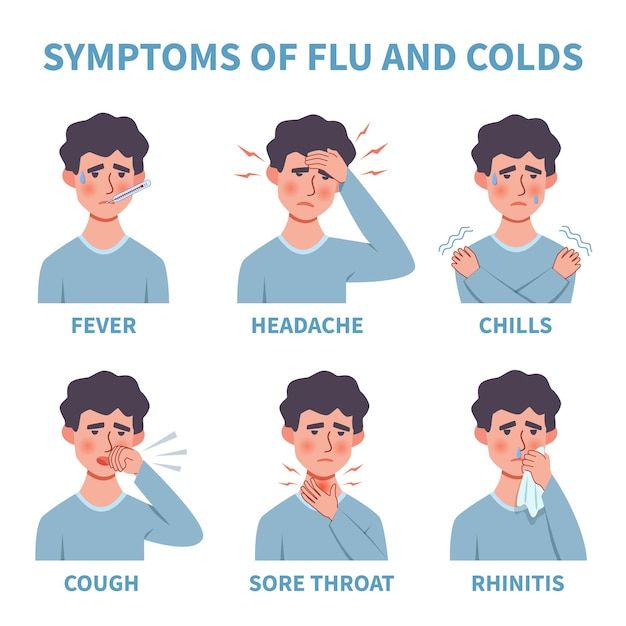
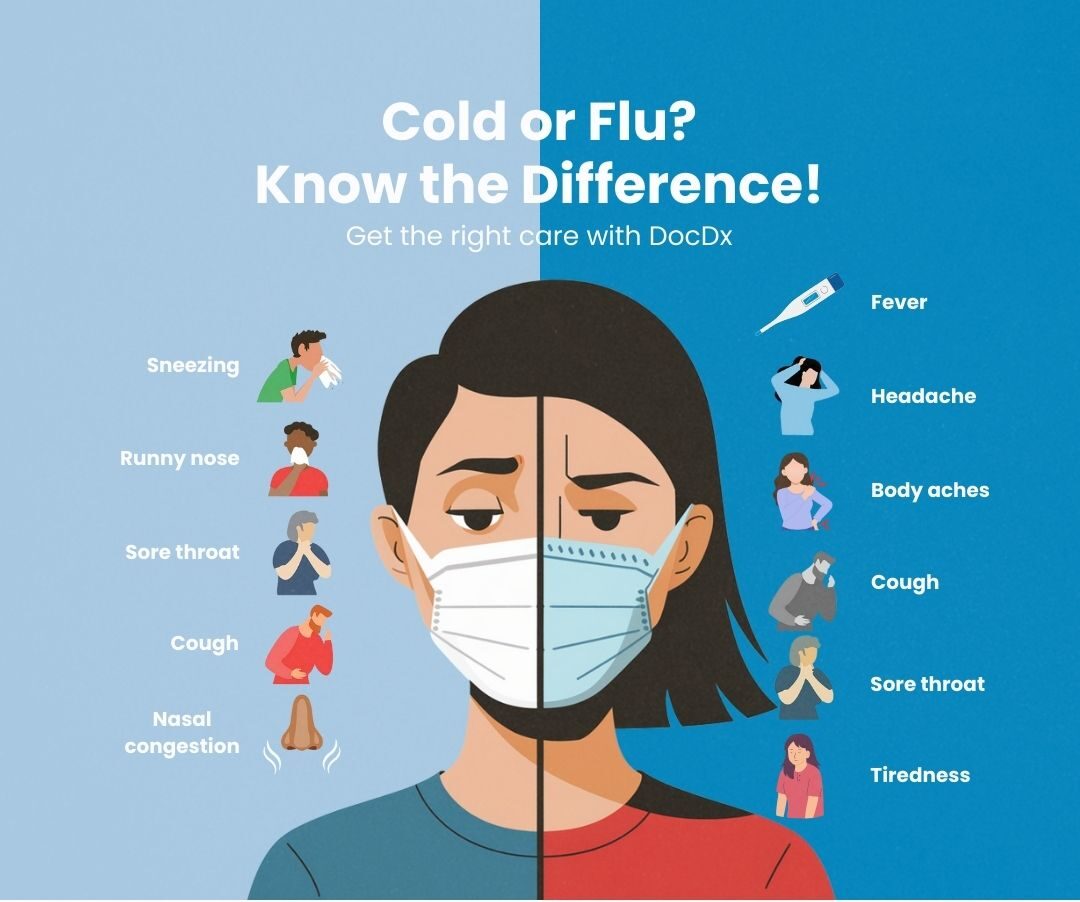
The common cold is a highly contagious viral infection that affects the upper respiratory tract, including the nose and throat. It often begins with symptoms such as a runny or blocked nose, sore throat, cough, sneezing, and occasionally a mild fever.
In most cases, the common cold is a mild condition that clears up on its own within 7–14 days. However, it can become more troublesome for young children, older adults, and individuals with weakened immune systems, who may experience more severe or prolonged symptoms.
Although there is no cure, proper rest, hydration, and supportive care help ease discomfort and speed up recovery.
Acupressure is a traditional Chinese therapy that uses gentle pressure on specific points to support the body’s natural healing process. While it cannot cure the common cold, it can help reduce symptoms by improving energy flow and addressing underlying imbalances.
Targeting points like LI-4, UB-2, LI-20, and GV-14 may help boost the immune system, relieve congestion, ease headaches, and lower fever.
However, acupressure should be used as a supportive therapy, not a primary treatment.

Clean your hands with soap or sanitizer to remove germs and reduce infection risk.

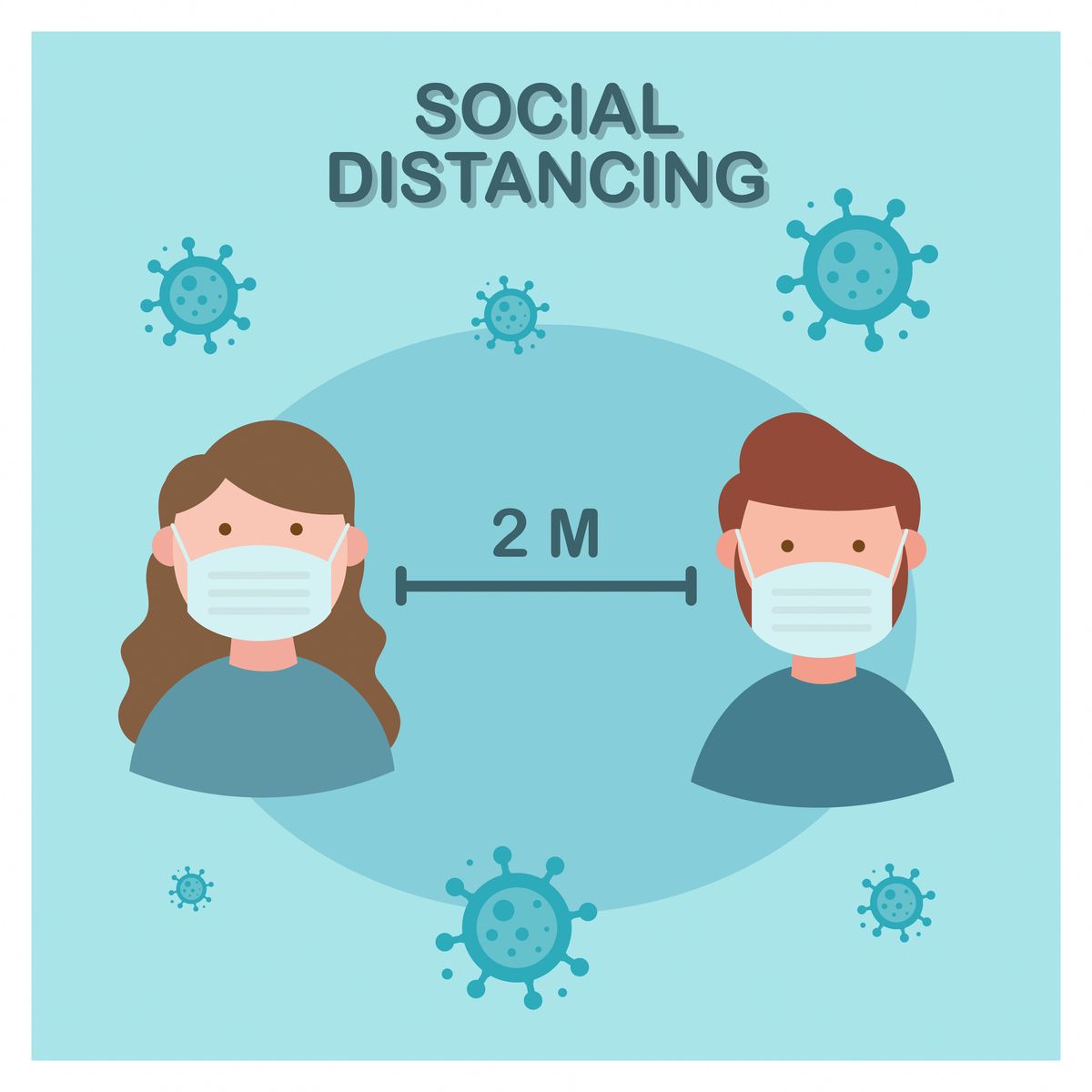
Stay away from people who are sick to prevent catching the virus.

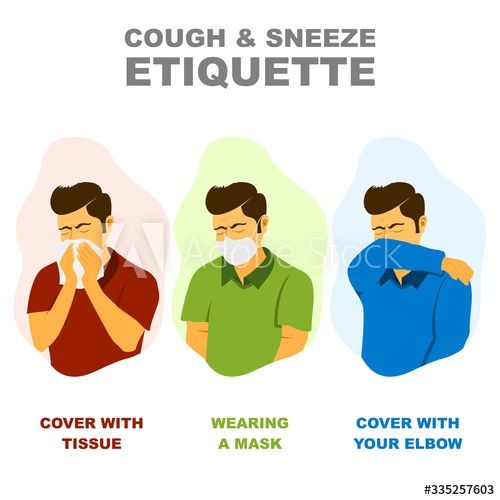
Use a tissue to cover your mouth and nose, then throw it away to stop germs from spreading.

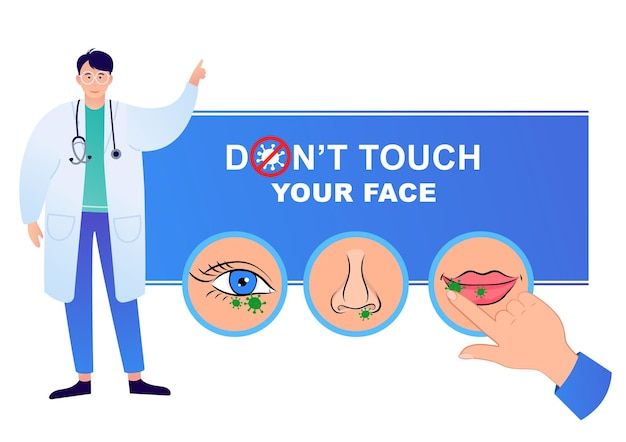
Keep your hands away from your eyes, nose, and mouth to prevent germs from entering your body.
Tuberculosis (TB) is a bacterial infection caused by Mycobacterium tuberculosis. It mainly affects the lungs but can also spread to the brain, kidneys, or spine. TB spreads through the air when an infected person with active disease coughs or sneezes.
According to traditional Chinese medicine, acupressure may help balance the body’s energy (qi) and ease some symptoms of illnesses like malaria. However, it should never replace proper medical treatment for malaria.
Acupressure cannot cure TB. Tuberculosis requires antibiotics for several months, as prescribed by a doctor. Acupressure may help ease minor symptoms, but it must never replace proper medical treatment.
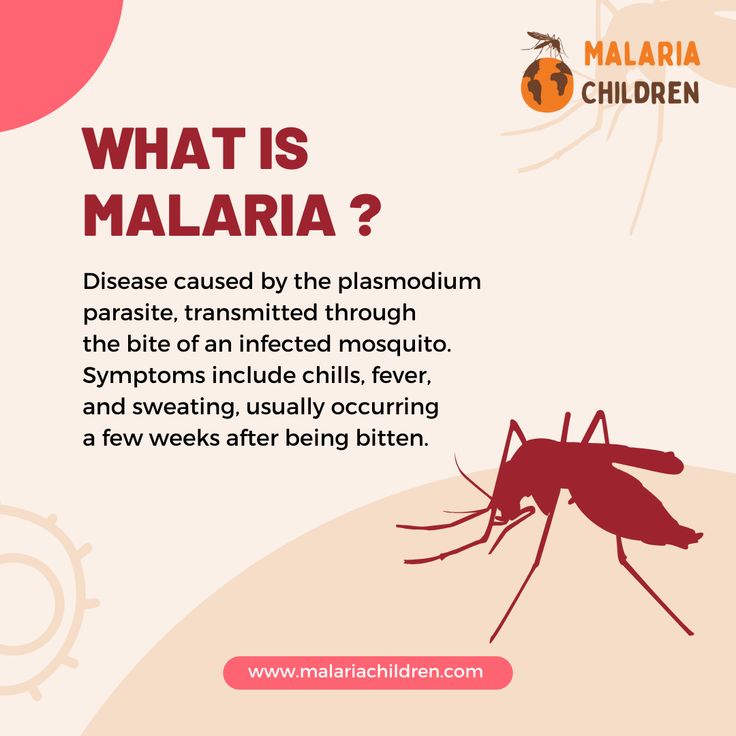
Malaria is a serious infection caused by the Plasmodium parasite and spread through infected mosquito bites. It attacks red blood cells, causing fever, chills, headache, and fatigue, and can become life-threatening without timely treatment.